SUNNY MONEY
  • Home
  • Resources
    • Financial Literacy >
      • Big Money for Little Kids
      • Money-in-a-Minute
    • K-5 Econ >
      • Econ Text Sets >
        • K
        • 1
        • 2
        • 3
        • 4
        • 5
      • Financial Literacy Text Sets
  • sample

What does Frozen teach about BUYING DECISIONS?

10/29/2019

0 Comments

 
Picture
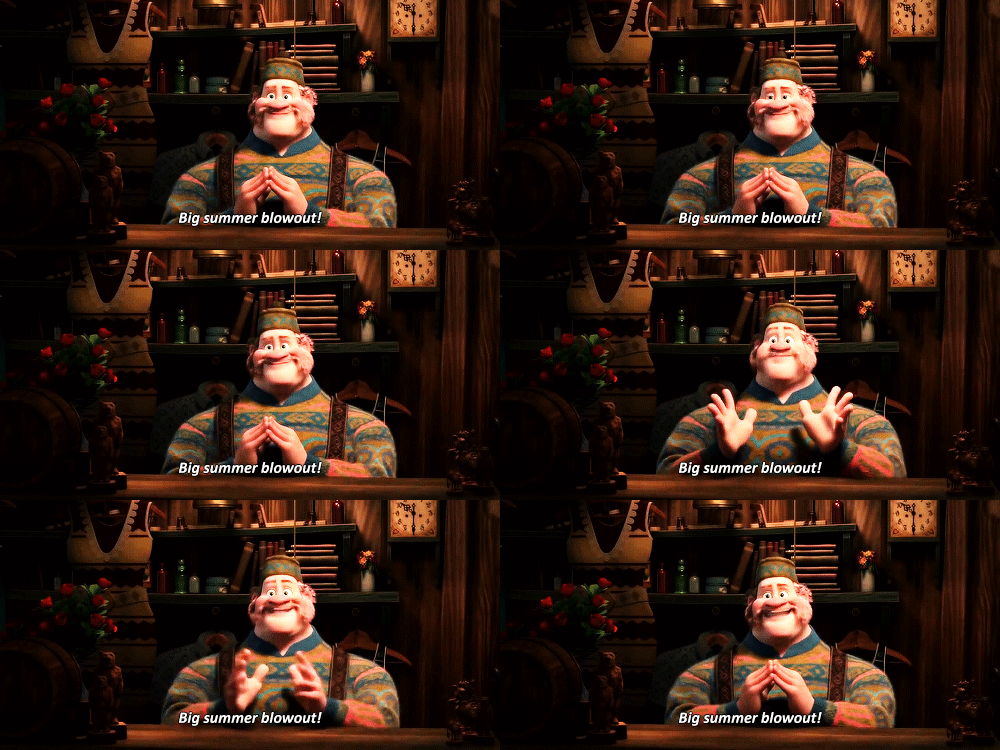
What do you think Oaken means when he says Big Summer Blowout? What goods is he selling? Here are some activities you can do with students to further illuminate the concepts in the film.
Elementary Activities 
Goods, Services, Buyers, and Sellers: Use the Goods and Services informational text we created to understand the differences between goods and services. Before reading ask students to watch how the buyers and sellers interact with goods and services.
After reading ask:
  1. What is the difference between goods and services?
  2. How do people interact as buyers and sellers of goods and services?
  3. How do people buy goods and services?

Supply and Demand
​​Before watching the Big Summer Blowout clip, students also need to understand supply and demand. You can use the informational text we created to introduce the concepts to students.
Before watching the clip, ask students to watch for goods that are in short supply by the sellers. Also, tell students to watch for the goods that the customers demand. 
After watching, tell students to create a diagram that illustrates the interactions of buyers and sellers in Frozen. ​They can also explain how supply and demand in the film by answering some of these questions:
  • What happens to the items that are in high demand and short supply?
  • What do you think about Oaken's decision to raise the prices?
  • If you shopped at Oaken's store, would this impact your future buying decisions?​
  • Why are goods on sale in different seasons? For example, why would a winter coat and wool hat be on sale in July?
Have students discuss ways they could save money by purchasing things off season. 
Secondary Activities
In secondary, Before watching the clip, ask students to watch for examples of supply and demand in the clip. After viewing, here are some questions:
  1. What did the shop owner, mean when he said the price of the winter goods jumped from  $10 to $40 because “supply and demand have a big problem?" (supply of winter goods is low and demand is high) What happened with the price?
  2. What is Kristoff's problem in terms of supply and demand? (supply of ice is high and demand is low) What will happen to Kristoff's profits?
Then have students discuss ways in which they could save money with wise consumer moves. Have them conduct some research on their favorite goods and services and see how sales, coupons, and comparison shopping can impact your wallet! 

​You can also use the Supply and Demand infographic from the Atlanta Federal Reserve, to further explain supply and demand in Frozen. Use the student activity and order copies of the poster on their website. 
​Extension
  1. For early elementary, have students play the Frozen Block Party game from Disney to help Kristoff harvest ice to sell for his business. Ask students to discuss how Kristoff's business works. They should understand how people work to make money to buy the things they need and want. In addition, they should consider the productive resources (ice) that Kristoff harvests to sell to his customers to satisfy their wants and needs. 
  2. Use the Lemonade in Winter activity we created.
supply-and-demand.pdf
File Size: 2688 kb
File Type: pdf
Download File

Florida Standards
There are many standards covered in this lesson.
0 Comments


Leave a Reply.

    Archives

    March 2021
    November 2019
    October 2019

    RSS Feed

Powered by Create your own unique website with customizable templates.
  • Home
  • Resources
    • Financial Literacy >
      • Big Money for Little Kids
      • Money-in-a-Minute
    • K-5 Econ >
      • Econ Text Sets >
        • K
        • 1
        • 2
        • 3
        • 4
        • 5
      • Financial Literacy Text Sets
  • sample